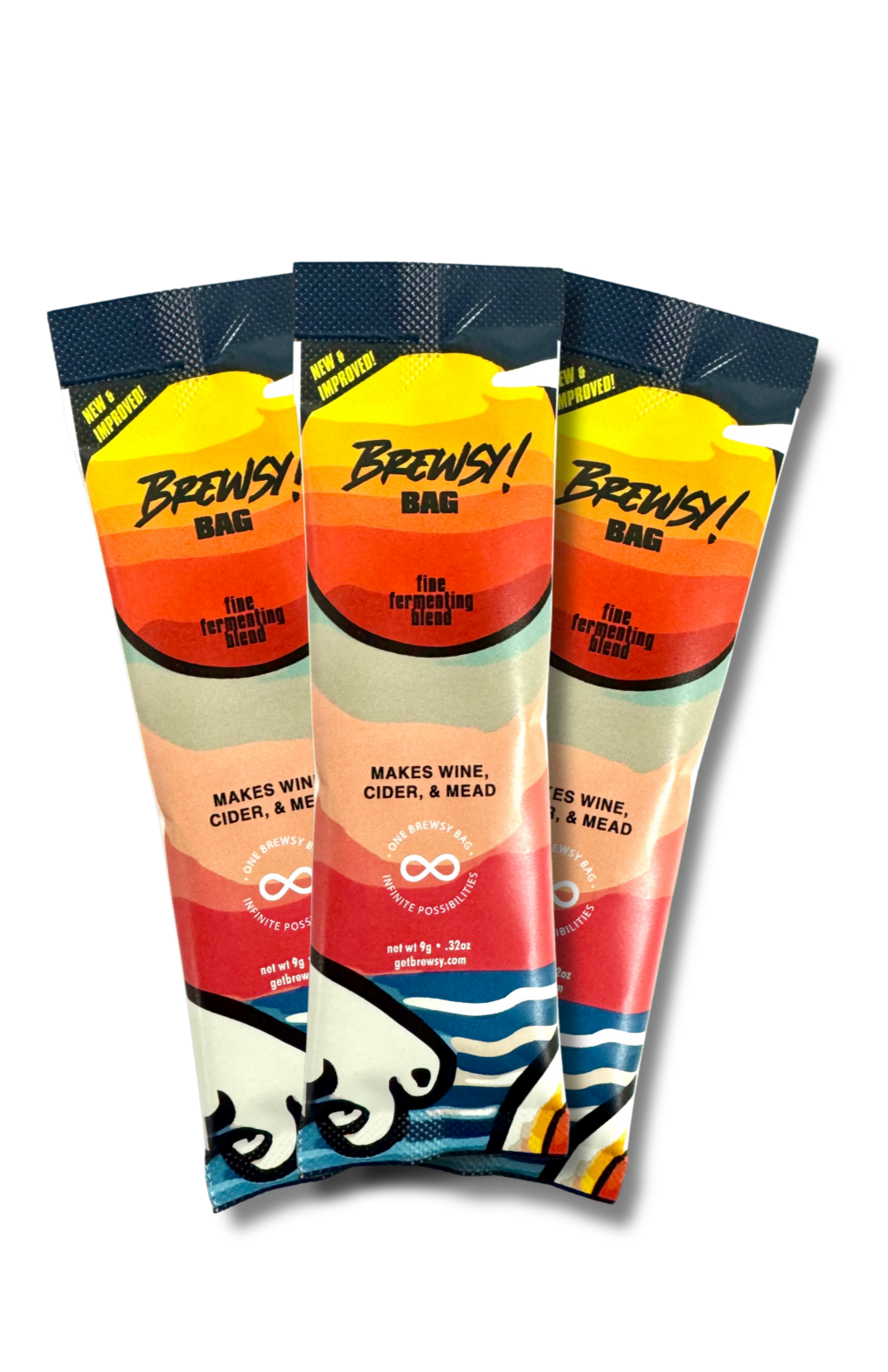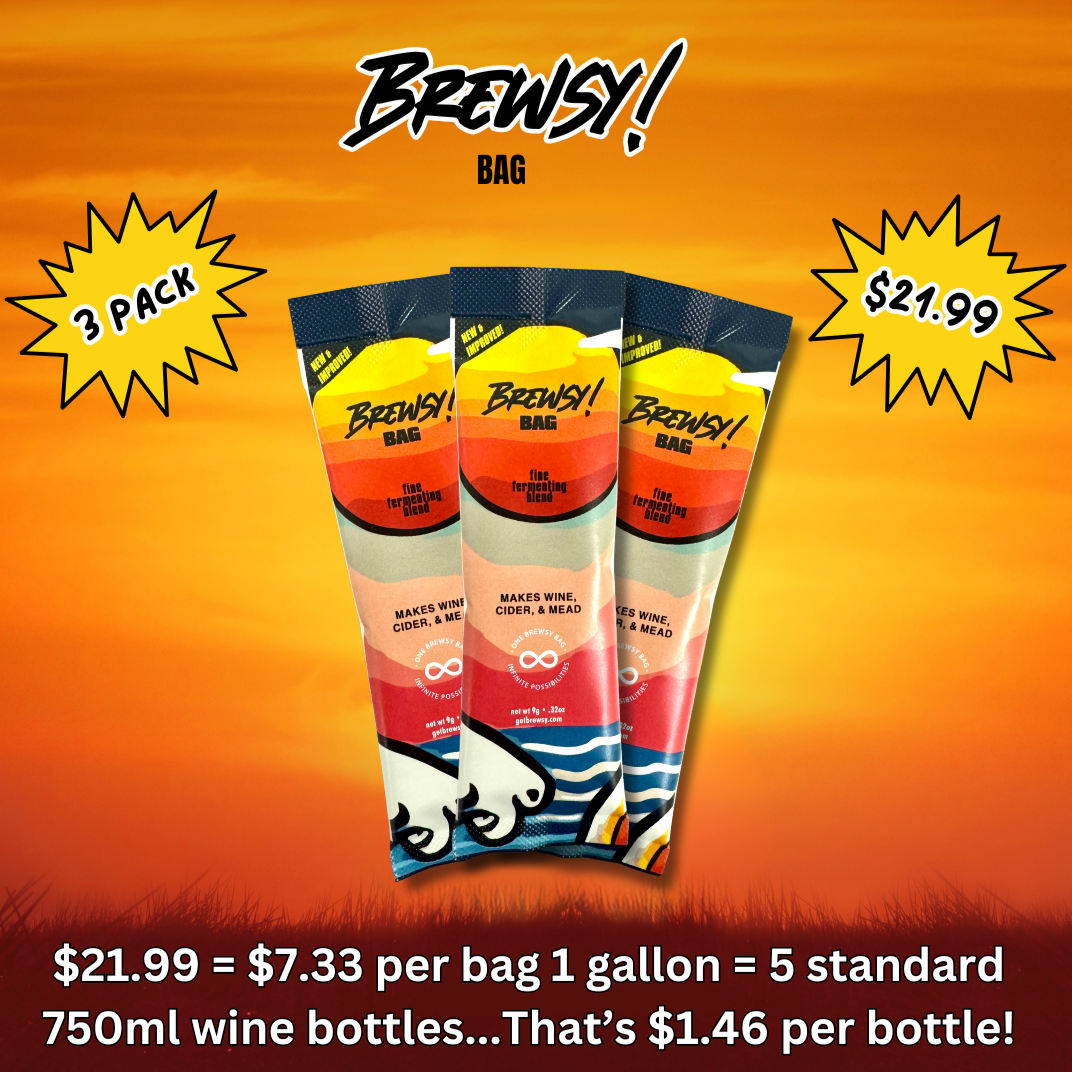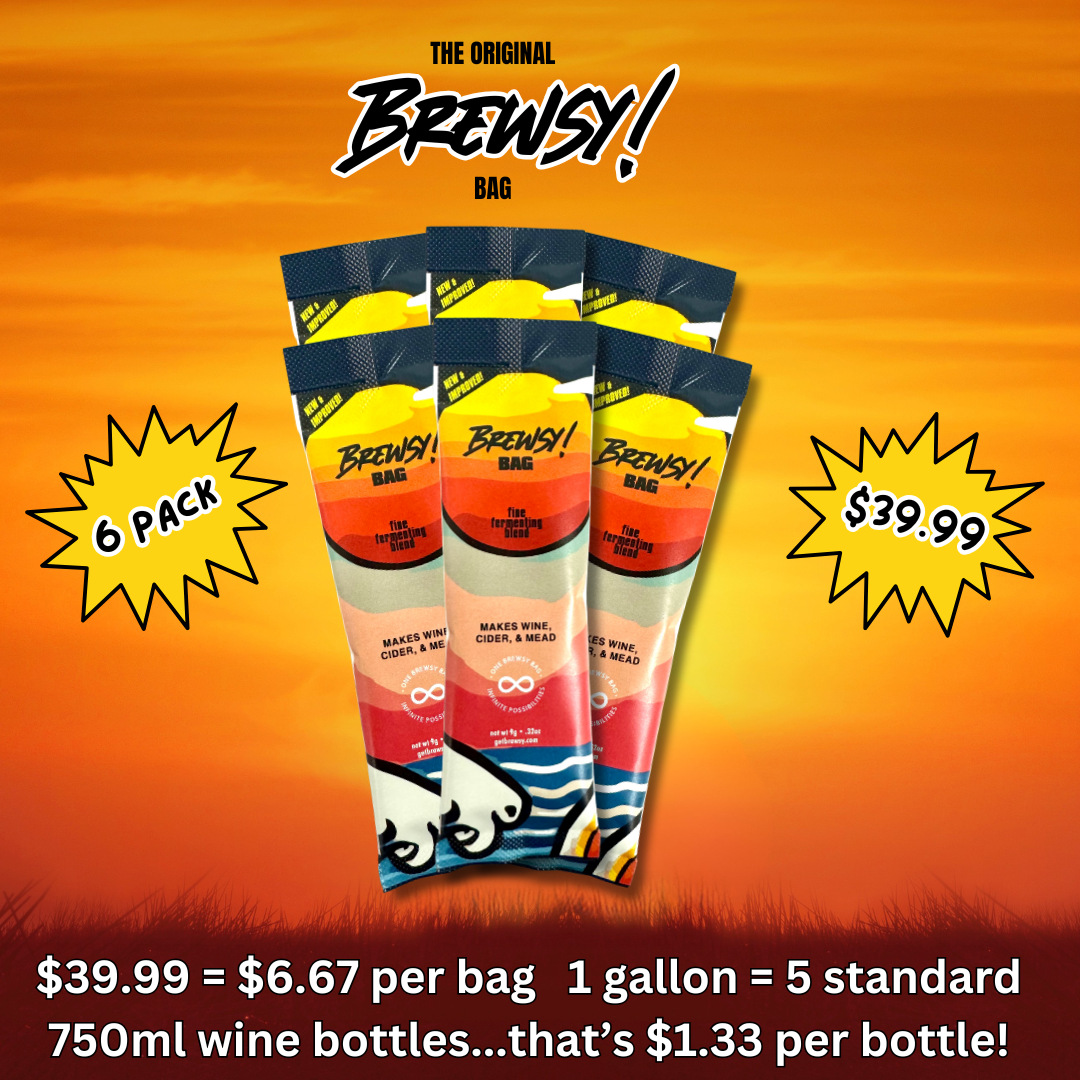
Brewsy Bags are in stock! 🍇 3 packs, 6 packs, and our starter kits are available— perfect for your next batch of wine, cider, or mead. Thanks for your support 💜 —Team Brewsy **** Free Shipping Over $99! ****
easy mead recipe by Brewsy

How to Make Mead


When you make mead, you're joining a tradition that's been around for centuries — it was the drink of choice for vikings, and the honey wine is gaining in massive popularity today.

Still, mead is hard to find at the store — and even harder to find exactly the kind of mead you'd like to try at the store (and there are a LOT of different varieties).

Luckily, it's super easy — and delicious! — to make your own mead at home. 

Once you've mastered the basic recipe, you can start adding fruits and spices — or you can make a cyser (apple mead) or pyment (grape mead).

What is mead?

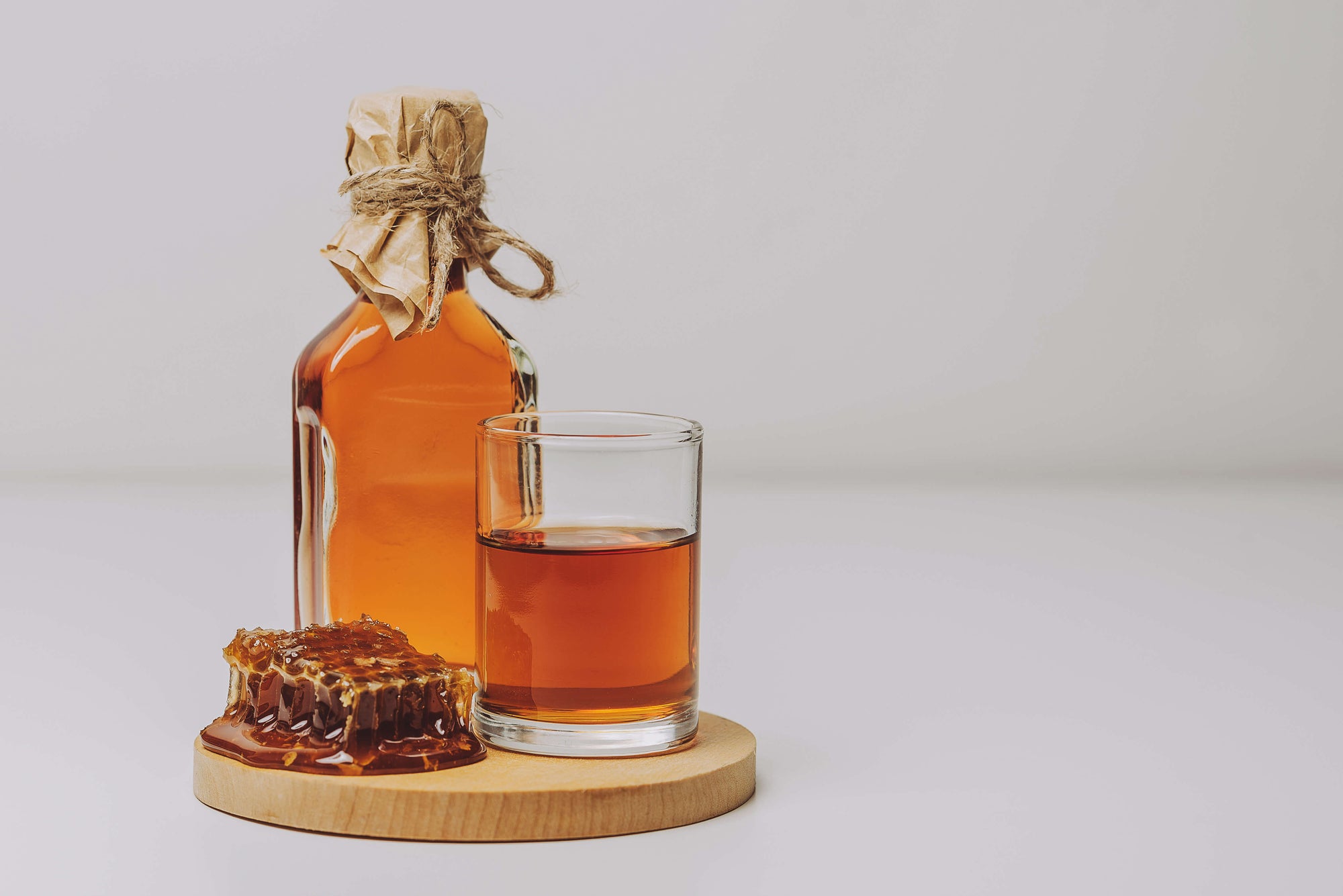
Mead is wine made out of honey and water. If you can imagine the floral hints of honey without all the sweetness — that's a bit what mead tastes like. But it can be as sweet or as dry as you'd like!

It's been around since viking times, but it's as good today as it was way back then. Plus, all you need is honey, water, and yeast to make it (and you can make your own customizable viking drinking horn later).

viking mead mead recipe drinking mead out of a horn

After a few weeks, you'll have a deliciously alcoholic (usually 10% to 12% ABV) honey wine on your hands!

It can be made with different types of honey, depending on the flavor you want to achieve. You can also infuse your mead with fresh fruit, herbs, and spices (lavender-infused mead is pretty lovely) — so the possibilities are really up to you.

All the Equipment You’ll Need

First, you’ll need a glass gallon carboy — this is where you'll store your mead while it ferments. If you don't have a glass carboy, any food-grade, sanitized gallon container will work.

You’ll also need an airlock and rubber stopper, which will make sure that carbonation can escape from your mead while it is fermenting, but also prevent anything bad from getting into your mead. 

Gathering Your Ingredients

mead recipe how to make mead


Besides water and (optionally) a bit of your tea of choice for flavor, you'll also need honey! The type of honey you use will partially determine the flavor of your mead. Feel free to use a flavorful honey, like clover or orange blossom — you'll be able to taste the delicate flavors of the honey in your wine.

Not all of us have apiaries near us, but if you can use local honey, that's awesome, too. We love supporting our local beekeepers.

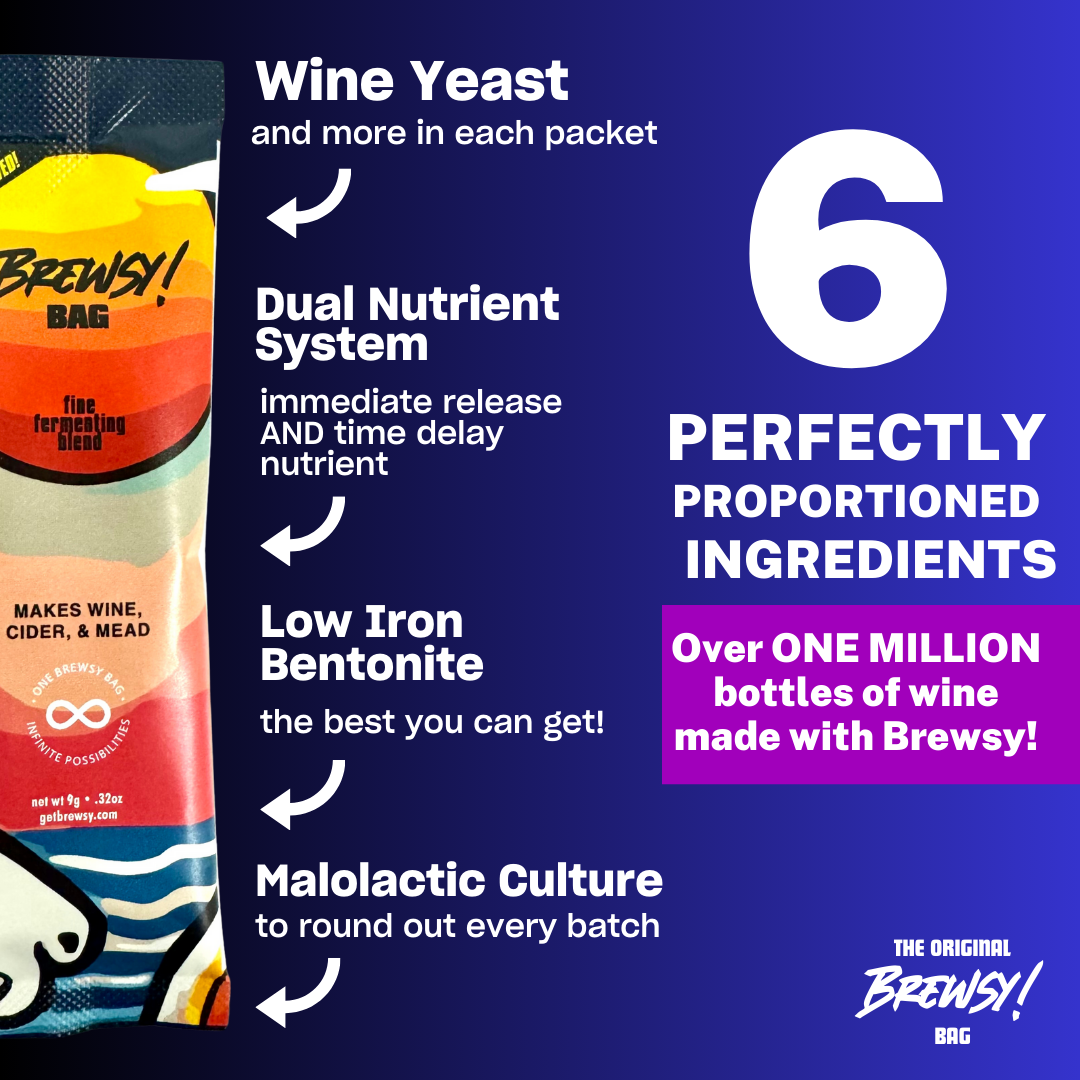
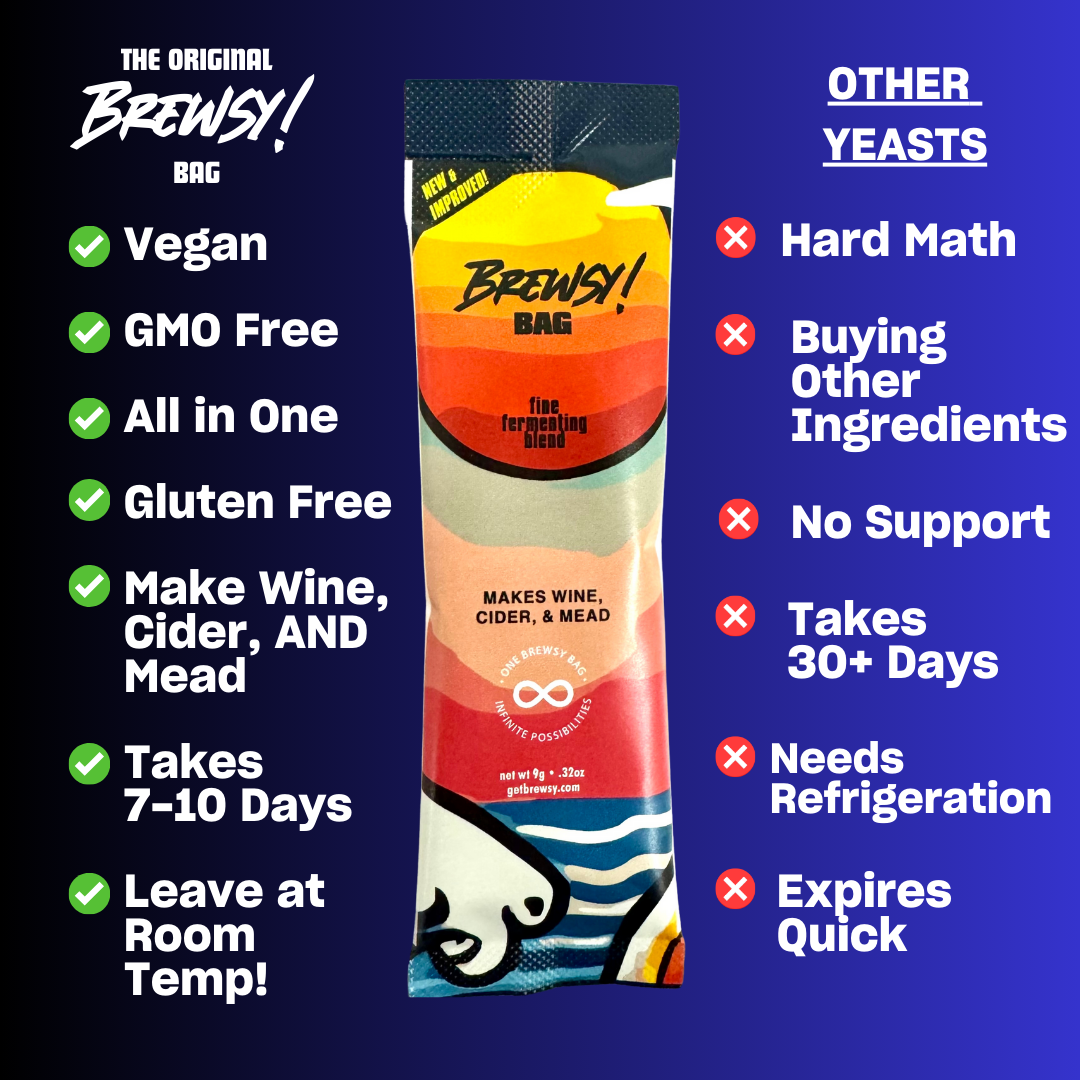
In order to start the fermentation process, you’ll need a wine yeast. In this recipe, we use the brewsy bag, which is a combination of an industry-exclusive wine yeast, nutrients for healthy yeast, energizer for a quick and hearty fermentation, potassium bicarbonate (to reduce strong, acidic flavors), malolactic culture (to make your wine smoother)  and bentonite (a clarifier for sparkling clear wine). It's the only way to ensure that you have a reliably strong and successful fermentation.

 How Much Honey Should I Use?

In this recipe, you can choose exactly how sweet you'd like your wine to be. We'll go over it in further detail later, but we recommend using between two and three pounds of honey per gallon of mead — 2 pounds if you want it on the dryer side, and 3 pounds if you'd like it to be sweeter.


How to Make Mead: Full Recipe

Okay, now let's get started!

Step 1: Preparation

First, heat up the honey and water in a pot on the stove until the honey is completely dissolved.

Stir the honey and water mixture well, and let it cool to about 90°F. Make sure it's not too hot — when it's time to add the yeast, you don't want to kill it! Yeast is a living organism, and can only survive at temperatures below 110°F.

Once the honey and water mixture has cooled, add your wine yeast or brewsy bag.

Then, shake it all up! You'll want to shake it up for about 30 seconds — it's a good workout, too.

Step Two: Fermentation

Pour the mixture into your clean glass gallon carboy, and attach the airlock. Insert the stopper into the top of the gallon’s bottleneck, and fill the airlock with water.

Then, fermentation begins! Put your mead in a warm, dark place.

Your mead will start to ferment within 24 to 48 hours, and will continue doing so for about a week (sometimes longer). You'll know it's done when the bubbling has slowed down significantly (fermentation creates carbon dioxide, which causes bubbling in the airlock).

The fermentation usually takes about 7 days, but your mead might bubble as long as two weeks! That’s totally fine — the longer your mead ferments, the more sugar your yeast are eating — and the dryer and more alcoholic your mead will become.

When in doubt, taste-test your mead for sweetness, and then go onto the next step when your mead tastes dry enough for your liking. If it still tastes too sweet, let it keep fermenting for several more days until it tastes more dry.
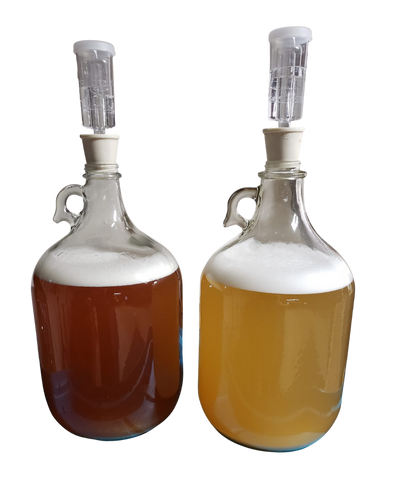
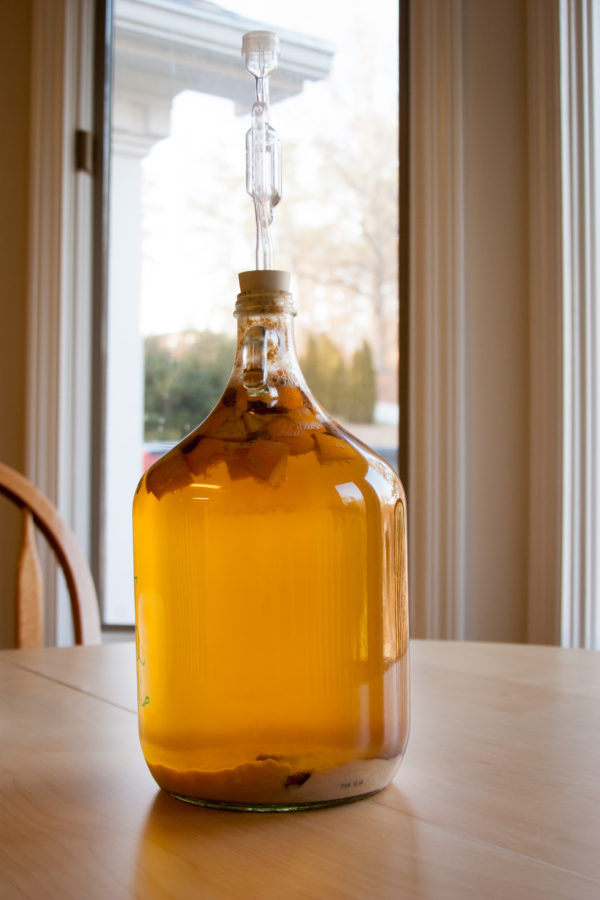
mead, glass gallon carboy fermenting, homemade mead

Step Three: Filtering Your Mead

Once the bubbling has slowed down significantly, it's time to get rid of the lees (that's the sediment that has settled at the bottom of your carboy) and prep your mead to be enjoyed!

We definitely don't want any yeasty particles in our wine, so we're going to get rid of them by first forcing any leftover yeasty bits to the bottom of the container.

A great way to do this it simply to pop your mead in the fridge! Keep it in there for at least two days. The cold forces any leftover particles to fall to the bottom of your container.

After that, you'll need to filter (or 'rack') your mead. To do this, simply pour your mead off of the lees (all that cloudy sediment that will show up at the bottom) at into another container. You can also grab a siphon for a totally mess-free transfer (which can be tricky if you're not used to it, but super effective!)

Optionally, you might want to use a clarifying agent, which works on the molecular level to bind to small particles in your mead — particles that might lead to yeasty, bitter flavors.We carry a product called GoClear, which is a great option for clarifying your Brewsy!

Step Four: Bottling Your Mead


mead bottles, homemade mead

Many meadmakers believe that aging helps to bring out the subtle flavors in the honey, resulting in a more delicious final product. But some people prefer the bright flavor of young mead!

We recommend having a glass now, and saving a few bottles for later (this recipe will yield 4 750mL regular-sized wine bottles). You can compare the taste of younger and aged meads, and see which one you like better!

We hope you enjoy this recipe for basic mead — be sure to experiment with different flavors and ingredients to find what works best for you. Mead is a really versatile drink, and meadmaking is truly an art. Don't be afraid to get creative, and happy brewing!

Let the meadmaking and experimentation begin!
Simplest 7 Day Mead Recipe

Team Brewsy

bottles

1 Gallon

prep time

15 minutes

brew time

7 hours

Calories

99

Cuisine

Mead

category

mead, homemade, home brewing, 

Mead was the perfect drink for vikings sailing through Scandinavia, and it's just as good today, too! With our Brewsy bags, you can make delicious mead in just 7 days. Learn how to make mead with this super easy one-gallon mead recipe. 

Simplest 7 Day Mead Recipe

ingredients

    blank

    • 1 Gallon Jug

    • 1 Large Pot

    blank

    • 2 Tea Bags

    • 2/3 Gallon Water

    • 2 to 3 Cups of Honey

    • Brewsy Starter Kit

    directions

    1. Gather your ingredients. 🍯

      For this basic mead recipe, here's what you'll need:

      1 Gallon Container
      2 to 3 cups of Honey
      1 Large Pot
      1-2 Tea Bags (We recommend black tea to start — but the recipe will work with any kind of tea, and it can also be made without tea).

    2. Prepare your tea. 🫖

      In a large pot, heat 2/3 gallon (2.5 L) of water. Then, add 1-2 teabags to the pot.

      Stir, and let sit for 15 minutes.

    3. Add your honey. 

      For dry mead, add 2 cups of honey (1.5 pounds).

      For semi-dry to semi-sweet mead, add 2.5 cups honey. (2 pounds).

      For sweet mead, add 3 cups of honey (2.5 pounds).

    4. Dissolve your honey in the tea, and let the mixture cool until room temperature.

    5. Pour your tea into your gallon jug once cooled.

    6. Add one full Brewsy bag. Then shake vigorously for 30 seconds to help wake up the yeast.

    7. Put on the airlock. First, squeeze the rubber stopper into your gallon’s bottleneck, and then attach the plastic airlock. Fill the airlock with water, and then snap the hole-punched plastic part back on.

    8. Put your mead in a warm, dark place. An attic, closet, or near your water heater are all good places. The ideal temperature is 75°F to 85°F. (The fermentation will take longer in cooler temperatures).

      Now, fermentation is beginning. Fermentation will take approximately 7 days.

      Tip: Once or twice a day, swirl your container to make sure the yeast make surface contact with all of the mead.

    9. Wait 7 days, then taste-test. After 7 days, take a very small sip of your mead. Right now, the yeast haven’t been separated from your mead, so it won’t taste amazing just yet.

      When you taste, taste primarily for sweetness. If it tastes dry enough for you, move on to the next step. If it still tastes too sweet, let it ferment for 2 more days, then repeat the taste-test.

    10. Put your mead in the fridge. Take off the airlock and put the hole-punched cap on your gallon jug — or, simply use a loosened cap.

      Tip — make sure you never fasten the cap of your gallon jug to prevent potentially explosive carbon dioxide buildup!

    11. Wait two days while your mead is in the fridge.

      During this time, the cold in your fridge is forcing the solids in your mead to the bottom of the container, making it easier for you to separate them in the next step.

    12. Rack your mead. Slowly, pour your mead off of the sediment at the bottom into a different container.

      Your goal is to remove as much of the sediment as possible, so try not to tip your jug back up until you’ve finished pouring.

    13. Take a sip! Now, you can taste your mead! Cheers!

      You may love it right away, but you may find it tastes harsh or a bit off. Don’t worry! That's very normal with young alcohol. Mead takes longer to age than other drinks made with Brewsy — it will get much smoother over time.

      If it tastes bitter, you can quickly fix that by making a simple syrup.

    14. Return your mead to the fridge with a loosened cap. Unlike store-bought wine, Brewsy doesn’t have any preservatives, so it needs to stay in the fridge with a loose cap unless it is properly prepared for room temperature storage.

      If you’d like to bottle your mead for storage outside of the fridge, you can find out how to do that here.

    15. Age your mead. The character of your mead will change significantly as it ages. This is especially important with mead!

      Harsh tastes or off-flavors will dissipate, and your mead will taste smoother and more flavorful. Age your mead for at least 3 weeks, racking it about once every 5-7 days, or whenever you see significant sediment buildup.

    16. Enjoy! Share your mead recipe with our Brewsy communities, the First Pour Club and Club Brewsy.

      And be sure to reach out to us with any questions. You can text us at the number we texted you from about your order, message us on Facebook, or send us an email at hello@getbrewsy.com.

    More Recipes & Ideas

    • strawberry kiwi mead recipe by brewsy

      Easy Strawberry Kiwi Mead

      **🍓🍍 Strawberry Kiwi Mead – A Refreshing Twist on Tradition! 🍯**Looking for something *deliciously different*? Brew your own **Strawberry Kiwi Mead** with our easy-to-use **Brewsy Bag**! Made with a special blend of ingredients, this mead combines the sweetness of strawberries...

    • Watermelon Wine made with Fresh Fruit and our Original Brewsy Bag

      Refreshing Watermelon Wine

      a bottle of sweet and fruitful wine perfect for a sunny day on the beach or a picnic in the park.
    • What Are the Professions Related to Winemaking?

      What Are the Professions Related to Winemaking?

      Just like a product from many industries, wine is the result of the collaboration of various teams, if you will. While consumed on a regular basis and sometimes even taken for granted, wines are the culmination of years of improving...

    • Joe's Ancient Orange Mead

      Joe's Ancient Orange Mead

      While the name Joseph has been around for at least a couple thousand years, the nickname Joe has not been, so this particular type of is not as ancient as one would think. That being said, any in the meadmaking...

    • How to Pair Red Wine

      How to Pair Red Wine

          Red wine is one of the most popular types of wine in the world. It pairs well with a variety of foods, and there are many different flavors to choose from. But there are certain flavors it will go better...

    • mango mead recipe by brewsy

      Delicious, Simple Mango Mead Recipe | Homemade Mango Mead

    • Cherry Mead Recipe by Brewsy

      Simple Cherry Mead - Super Easy and Tasty Homemade Cherry Mead

      Have you ever wanted to give mead a try but weren't quite sure where to start? We have you covered with this super simple- and super tasty recipe for Cherry Mead that will impress your friends!

    • Easy Blackberry Mead Recipe

      Easy Blackberry Mead Recipe

      This easy to follow blackberry mead recipe can be done at home with just a few simple ingredients and a 2-3lb bag of frozen blackberries. By following this recipe you'll learn how to make delicious homemade blackberry mead in as...

    • caramel apple cider

      caramel apple cider

      caramel apples are a fan favorite as soon as the weather turns cold enough for flannels - it'll be just as much of a favorite made brewsy style! extra sweet and extra yummy topped with whipped cream.